


Choosing a selection results in a full page refresh.
-
-
-
-
-
-

Bundles for How You Train
Shop 10% Off -
-
-
-
-
-
-
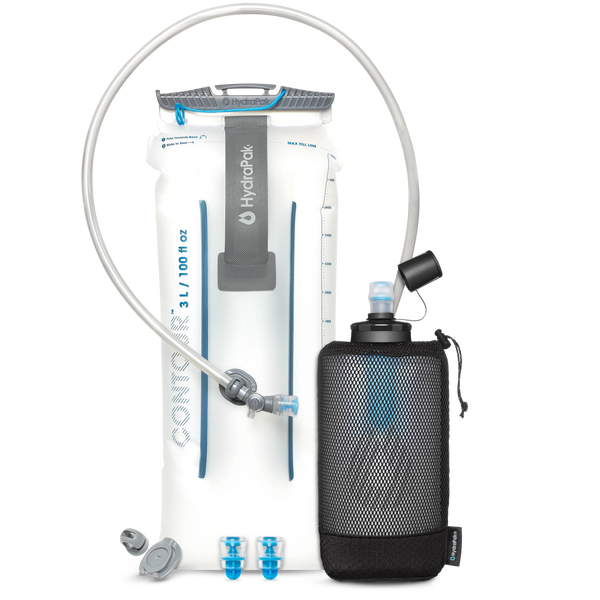
Backcountry Filtration Bundle
$118.80 $132 -
Backpacking Bundle
$121.50 $135 -
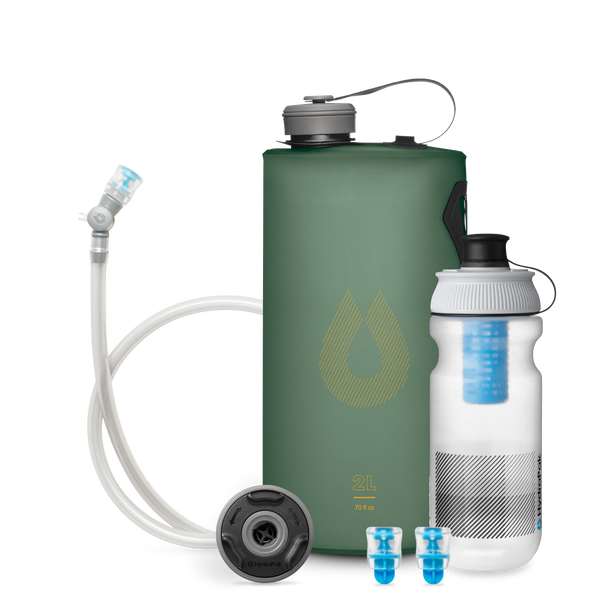
Bikepacking Bundle
$96.30 $107


Water Filtration FAQ
Frequently asked questions on HydraPak water filters.
No. HydraPak hollow-fiber filters remove bacteria and protozoa but not viruses, which are smaller than the filter's pores. For most wilderness backcountry use in North America, a hollow-fiber filter is sufficient, but for international travel or water with significant upstream human contamination, pair the filter with chemical treatment or a UV purifier.
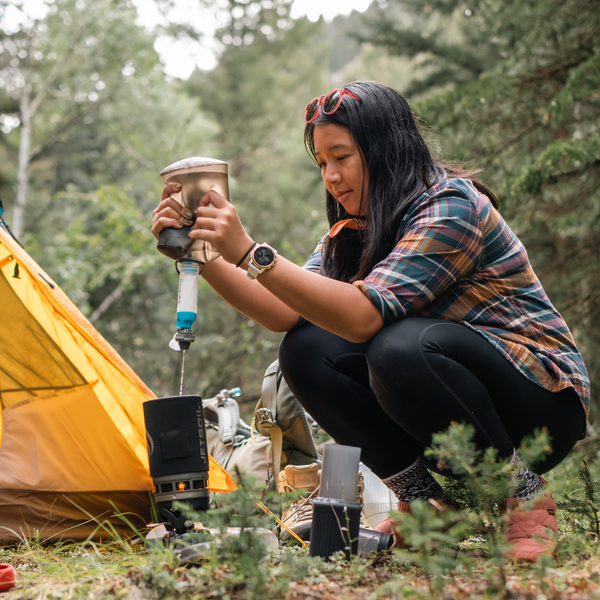
Yes. Whenever you collect water from streams, lakes, or rivers, you should filter it to remove bacteria and protozoa that cause illness. A lightweight HydraPak filter lets you safely refill from natural sources instead of carrying all your water from the trailhead.
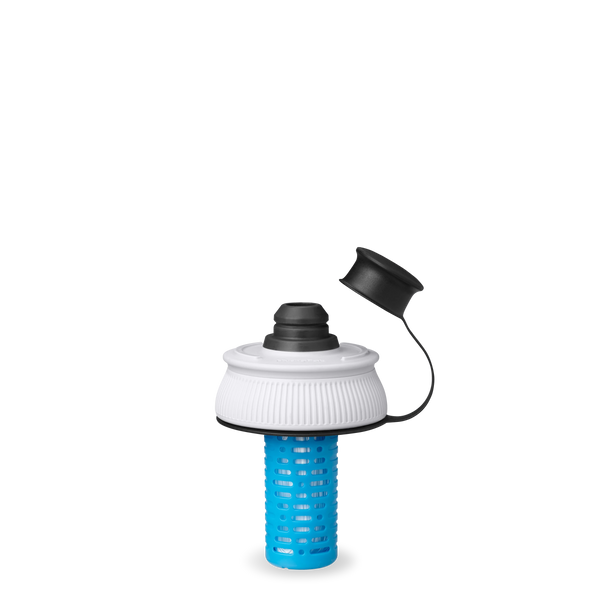
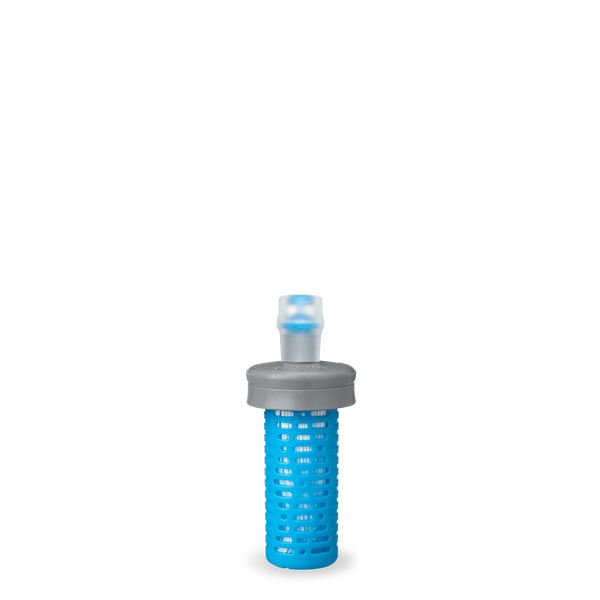
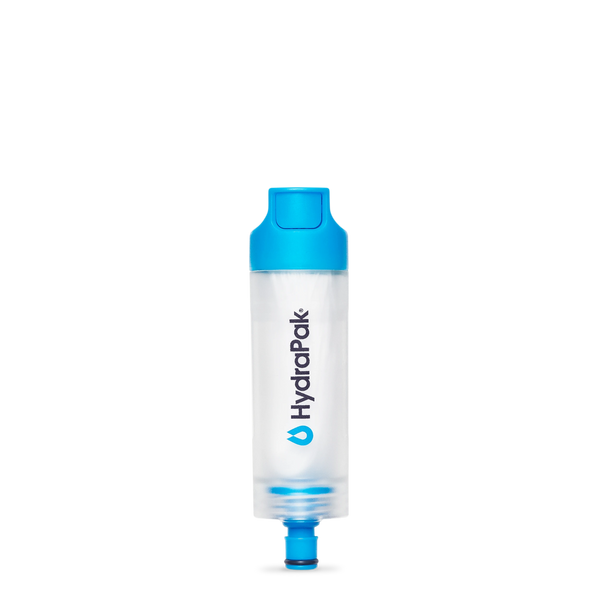
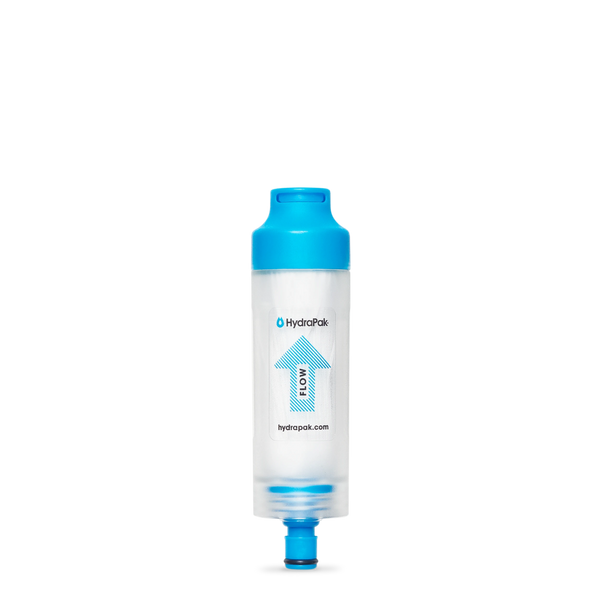
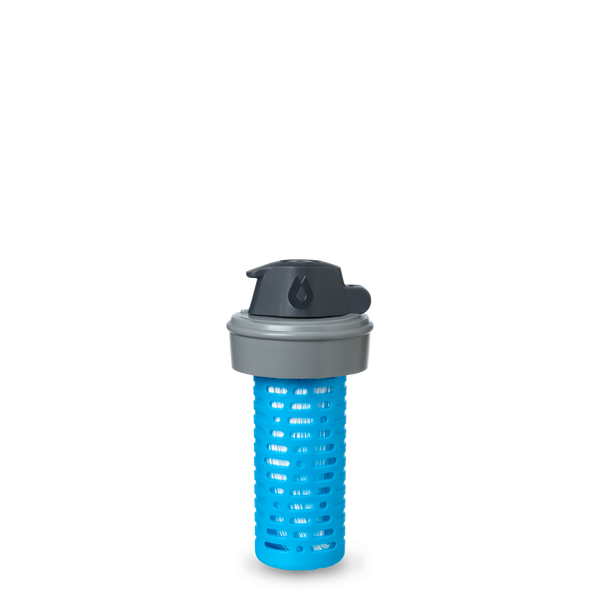
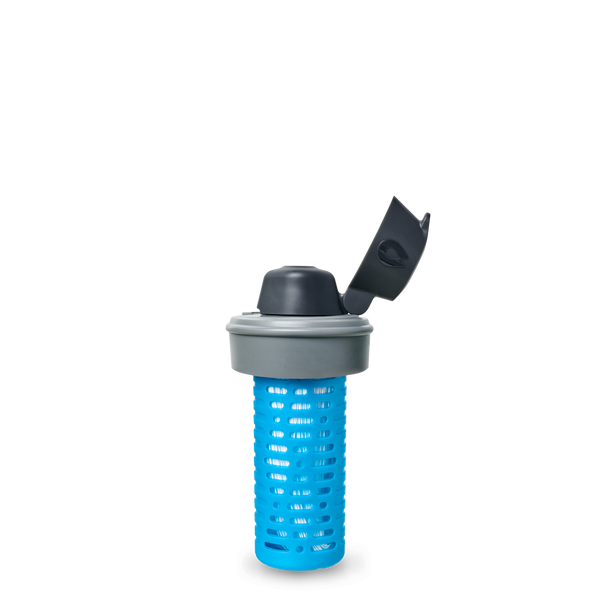
HydraPak filters use a hollow-fiber membrane with pores smaller than 0.2 microns. Water passes through the microscopic pores into the fiber tubes and out the clean opening, while bacteria and protozoa are too large to pass. They remove common waterborne bacteria such as E. coli (99.9999%), parasitic cysts like Cryptosporidium and Giardia, and microplastics (99.999%), per EPA Guide Standards, NSF P231, and NSF 42.
When the flow rate slows, backflush the filter by pushing clean water through it in the reverse direction using the included backflush adapter, which clears trapped sediment and restores flow. Tapping the filter on a hard surface helps dislodge debris. Before long-term storage, disinfect and dry the filter so growth does not clog the fibers.
Each HydraPak filter processes approximately 1,500 liters of fresh water at a rate of more than 1 liter per minute. When flow slows and backflushing no longer restores it, the filter has reached the end of its life and should be replaced.


